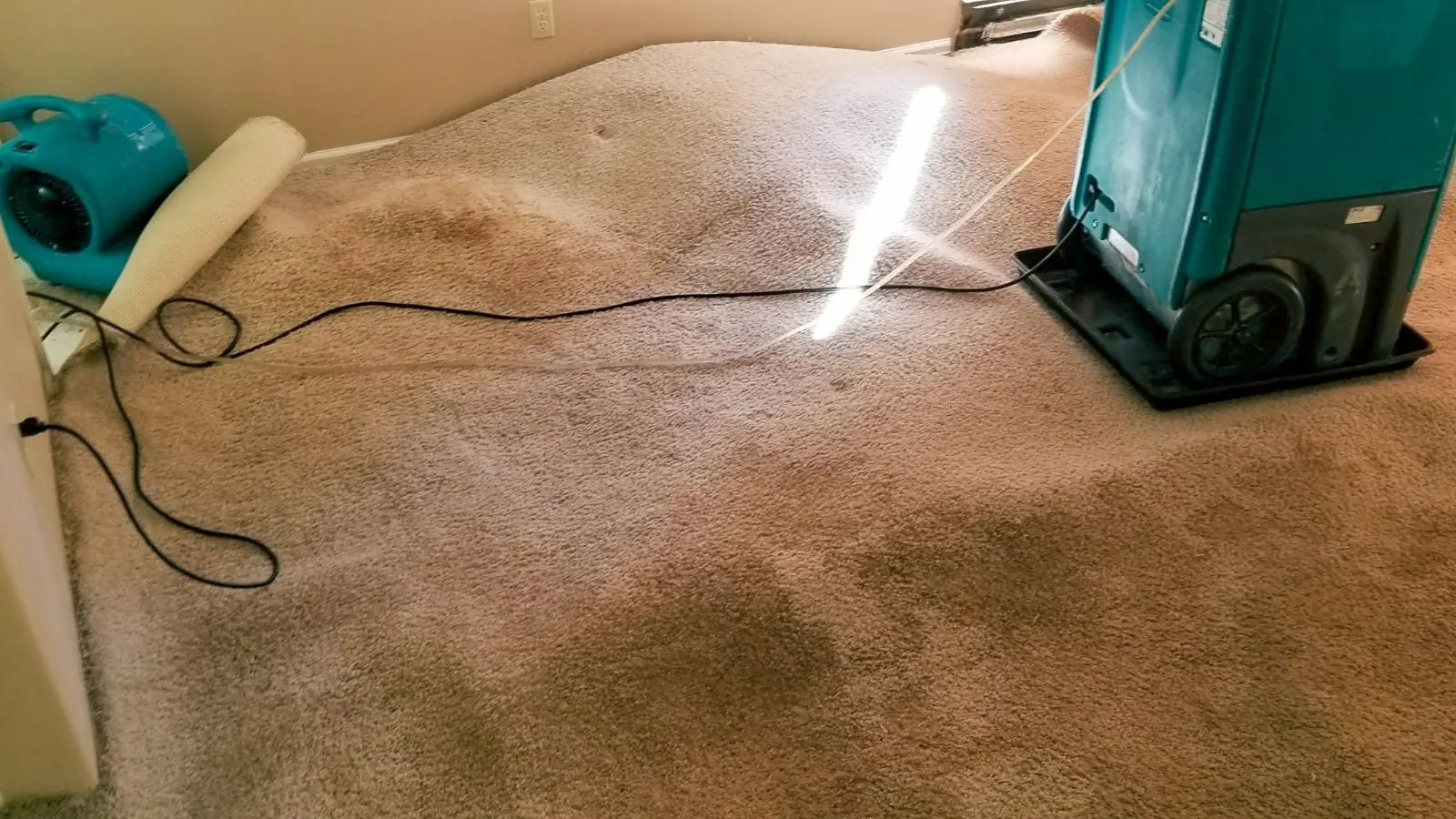
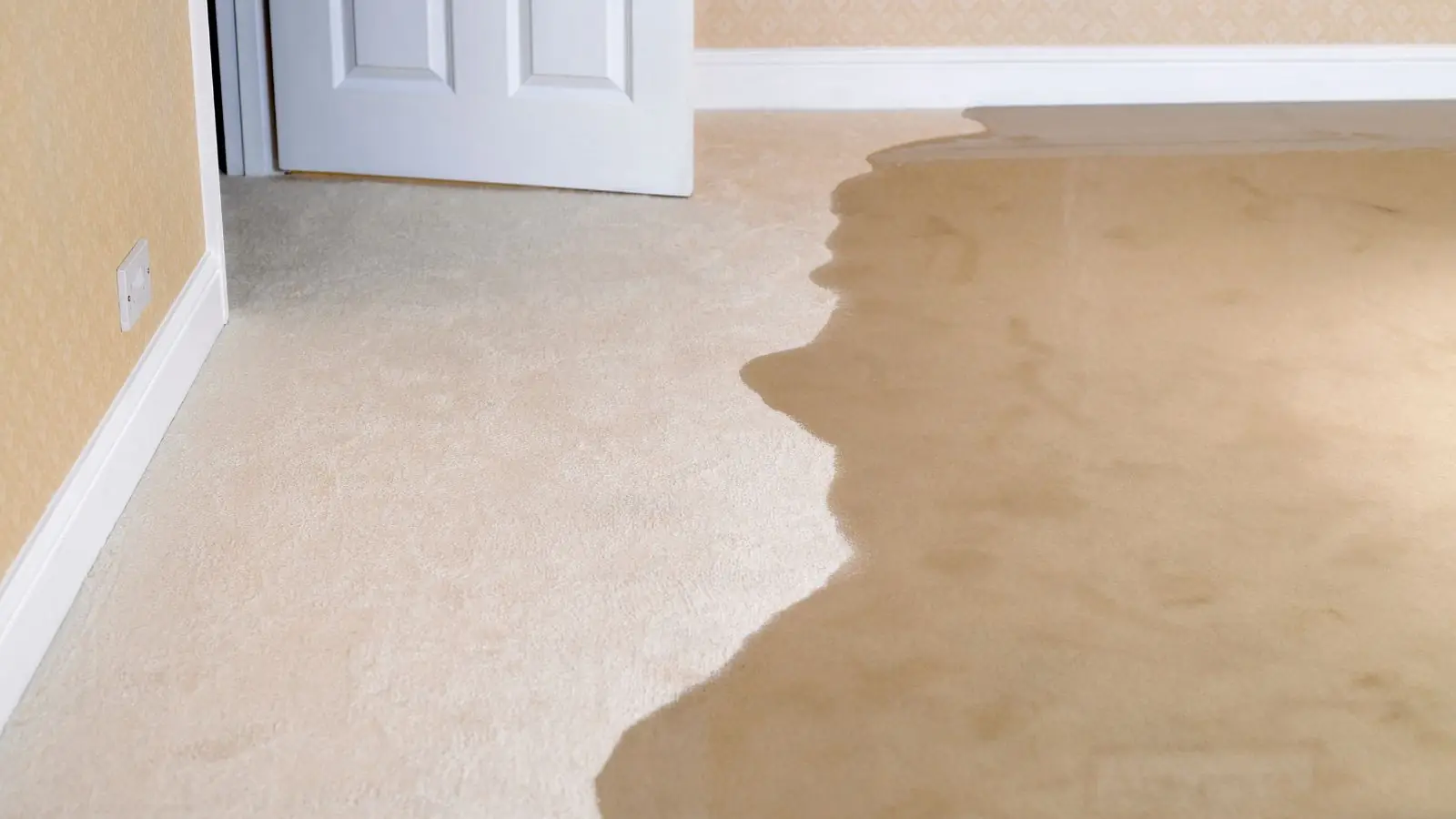
Wet carpet is one of the most common calls we get, and the question is always the same. Can it be saved? Often it can, when the water was clean and the response was quick, and often it cannot, when the water was dirty or the carpet sat wet for days.
Our line, (760) 769-1159, is open 24/7, and we send a crew the same day when available. The sooner we measure and start structural drying, the more of your carpet we can keep.
Keep, clean or replace: a quick sort
Here is how we usually sort a wet carpet job once we have seen it.
| Situation | Usually | Why |
|---|---|---|
| Clean water, caught within a day | Dry in place | Carpet fibers dry well with extraction and airflow |
| Clean water, several days old | Often replace | Water changes category with time and contact |
| Category 2 water, such as an appliance overflow | Pad out, carpet case by case | Dirtier water is hard to clean from fiber |
| Category 3 water, such as sewage or floodwater | Remove carpet and pad | Porous material that touched sewage is removed |
| Colour bleeding or dark staining | Depends | Stains can be dye, soil or both |
Safety before you pull anything up
Wet floors and electricity do not mix, and carpet hides how much water there is.
- Electrical Do not wade through water near outlets or cords. If the panel is dry and you can reach it safely, turn the power off, and call the utility or 911 for any electrical hazard.
- Water source Shut off the supply line or main if you can reach it safely.
- Furniture Lift furniture legs onto blocks or foil so wood stain does not bleed into the carpet.
- Do not walk it Walking on soaked carpet spreads water and presses it into the pad.
How carpet is dried in place
When a carpet is worth saving, the work follows an order. We run an extraction unit to pull water from the fiber and the pad, and we lift a corner at the wall to see underneath.
- Pad check The pad is a foam sponge that stays wet and holds moisture against the subfloor, so it is usually removed and replaced.
- Tack strip The wood strip around the edge is checked, since it can stay damp and stain the carpet above.
- Subfloor reading A moisture meter and thermal imaging camera show whether the layer below is still wet.
- Air and humidity Air movers float the carpet and push air under it, while LGR dehumidifiers pull the water out of the room.
If the carpet is cleaned, we also deodorize and apply an antimicrobial product. Methods here line up with ANSI/IICRC S500 as an industry reference standard. If mold has started, that is a separate job handled by mold remediation.
Slab, wood subfloor and how the carpet is laid
Wet carpet over a concrete slab dries differently from carpet over a wood subfloor. Concrete holds water and releases it slowly, so the slab can stay damp after the carpet feels dry. A wood subfloor can swell, stain or warp, and may need to be opened and dried from below.
Stretched carpet is held by tack strips and can be lifted, dried and put back. Glue-down carpet is bonded to the floor, so water gets trapped under the backing, and it is often removed. We cannot always tell which you have until we lift a corner.
Colour bleed and stains come from dye, soil or wood tannin and may not come out. Odor that comes back usually means the pad or subfloor is still wet.
What changes the cost of carpet work
We lay out the scope and price before work starts, and these factors set them.
- Water category Clean water costs less to handle than contaminated water.
- Room count More rooms means more extraction and more equipment.
- Pad and carpet type Replacing the pad is a smaller job than replacing the carpet.
- Subfloor A wet slab or wood subfloor adds drying days.
- Time The longer carpet sits wet, the less of it can be saved.
Tell us what the water came from and get the scope explained first. Call (760) 769-1159
Insurance and your carpet claim
Insurers separate sudden water from gradual damage. A pipe that breaks overnight is often covered, while a long, slow leak often is not, so ask your insurer how yours reads. The California Department of Insurance publishes a residential property claims guide, and flood is generally excluded without a separate flood policy.
Keep a piece of the wet carpet and pad until the adjuster has seen it. Photographs, moisture readings and a record of what came out help the claim.
Mistakes to avoid with wet carpet
Do not leave soaked carpet to air out on its own. It can take a long time to dry, and mold may begin on wet organic material within 24 to 48 hours.
Avoid steam cleaning over a wet pad, avoid spraying a fragrance on a smell and avoid putting furniture back on carpet that has not been measured dry.
Wet carpet in the Coachella Valley
Summers in the eastern valley are very hot and dry, with many days over 110 degrees F. Dry air helps surfaces dry, but it does not dry the pad or slab under carpet, so the surface feeling dry can be misleading.
Housing in Indio and Coachella includes many homes built after 2000, according to Census figures. If your home is newer, ask whether the carpet sits over a slab or a wood subfloor, because the two dry differently.
Rain is rare but can arrive hard and fast. Tropical Storm Hilary in 2023 showed that, and checking the FEMA flood map for your address tells you if storm water is a risk. In Mecca and Thermal, flood water through a door is a Category 3 problem, and the carpet is usually removed.
Questions about water damage in Thermal
Yes, day or night, with same-day response when available. The sooner water is extracted, the more of the carpet can be kept.
Often, if the water was clean and it was extracted quickly. Carpet that sat wet for days or touched contaminated water is much less likely to be saved.
The pad acts like a sponge and stays wet long after the surface dries. Removing it also lets us dry the subfloor underneath.
No. Glue-down carpet is bonded to the floor, so water gets trapped under it and removal is common. Stretched carpet can usually be lifted at the edge and dried.
If the source is removed and the layers below are dried, the smell usually goes. A smell that returns often points to a wet pad or subfloor.
Mold can begin on wet organic material within 24 to 48 hours, according to the EPA, even in a dry desert. Quick drying is the best defence.