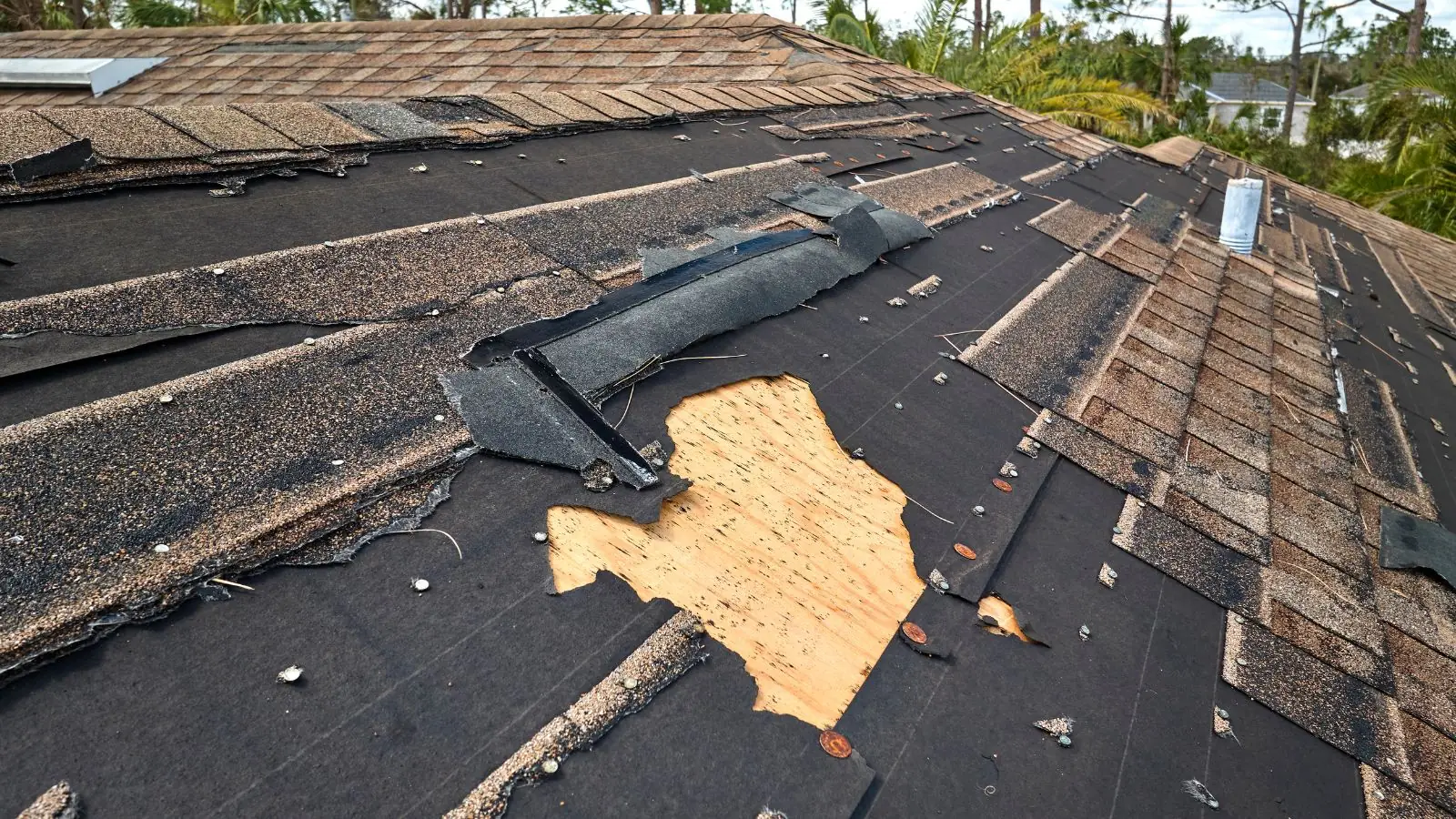
Storm water damage is what a heavy desert rain leaves behind. Wind pushes water under doors, around window frames and through tired roof seams, and runoff carries mud and silt across floors. Call (760) 769-1159 and the 24/7 dispatch line will plan the order of work.
One storm usually sends a whole street to the phones at once. Crews can only be in one house at a time, so the earlier you call, the sooner we reach you. For water that rose from outside or was contaminated, see flood damage restoration.
Safety first: water, power and generators
Storms bring outages, and outages bring risks that have nothing to do with the water on the floor.
- Stay out of standing water If water is around outlets, cords or an appliance, do not walk through it. Switch off power at the panel only when the floor around it is dry and you can reach it safely.
- Call the right people For downed lines, gas smell or sparking, call the utility or 911 before you call a restoration line.
- Generators go outside Run a generator in open air, well away from doors, windows and the garage. Exhaust is deadly in enclosed space.
- Watch for debris Broken glass, nails and wet roofing are common after wind. Wear boots and gloves.
- Photograph from dry ground Take photos before you move anything, then call.
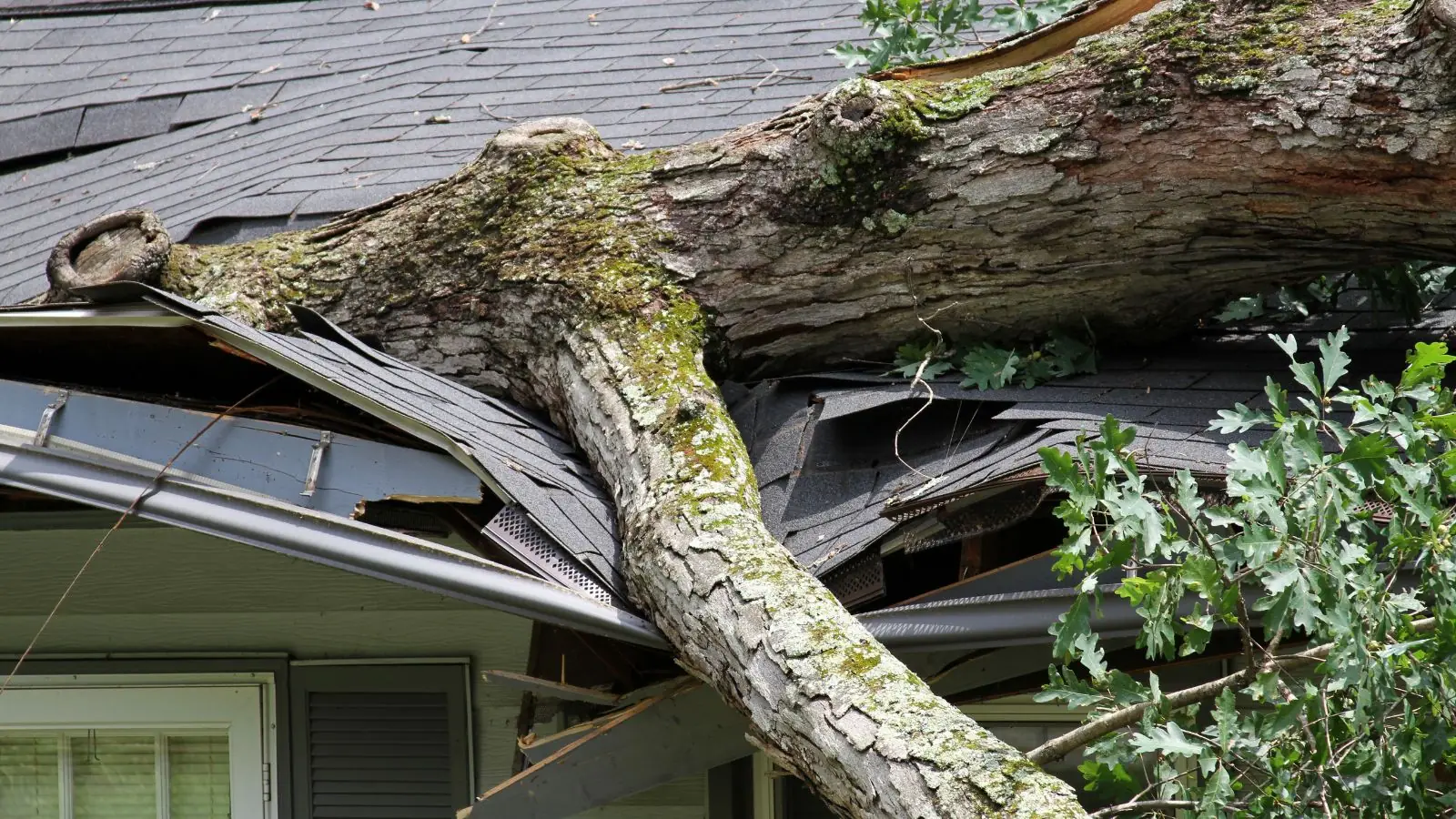
What wind-driven rain and runoff leave in a home
Rain does not fall straight down in a storm. It is thrown sideways into door thresholds, sliding door tracks, window corners and attic vents, and it soaks the edges of rooms that never feel the weather on a normal day.
Runoff adds a different problem. It brings silt, mud and plant debris that dry into a fine film on tile, cabinets and the underside of baseboards. Washing that out is as much a part of the job as pulling the water.
| Where water came in | Typical result | First move |
|---|---|---|
| Door threshold or sliding door | Wet carpet, swollen baseboard, silt in tracks | Extraction, then lift the edge of the flooring |
| Window frame | Wet wall base and damp drywall | Moisture mapping before any cutting |
| Roof seam or vent | Wet attic and stained ceiling | Stay out from under it, see our roof leak page |
| Garage or side entry | Mud and debris on slab and stored items | Remove debris, then extract |
Hilary, below-sea-level land and local channels
In 2023 Tropical Storm Hilary brought heavy rain to the Coachella Valley. Indio declared a local emergency, and Desert Mirage High School in Thermal served as a shelter. If your home took water then, or after any storm since, it is worth asking whether the walls ever fully dried.
Land here is below sea level, and storm runoff is directed through channels toward the Salton Sea. One reach of the project is named for the Thermal Drop Structure. Low-lying lots can hold water longer than streets nearby, so photograph where it pooled.
Check the FEMA flood map for your address to see your flood zone. That helps you judge whether standing water near the house was storm runoff or true flooding. We serve Mecca and Indio too, and the same steps apply there.
Storm cleanup versus flood work
A storm leak is water that came in through the envelope of the house. Floodwater is different, because it rises from outside and may carry sewage, chemicals and soil. Contaminated water needs porous materials removed, and that is flood territory.
If the water in your home is dark, smells of sewage or came up through a drain, treat it as contaminated and keep people out. Otherwise clean rainwater that was caught early can usually be handled as emergency water removal and then dried.
How we clean up after a storm
- Extraction An extraction unit pulls standing water from floors and carpet first.
- Moisture mapping A moisture meter and a thermal imaging camera show where water went inside walls and under floors.
- Silt and debris removal Mud and debris are removed and surfaces are washed down before drying equipment goes in.
- Drying Air movers and LGR dehumidifiers dry the structure, following ANSI/IICRC S500 as the industry reference.
- Treatment Surfaces get an antimicrobial treatment, and a HEPA air scrubber runs during demolition.
What changes the cost of storm cleanup
Scope and price are explained before work starts, so you know what is planned. A few things drive it.
- Water source and cleanliness Rain through a window is simpler than runoff carrying mud and debris.
- Area affected One entry room differs from a whole floor of wet carpet.
- Silt and debris volume Heavy mud means more labor before drying can begin.
- Materials removed Carpet and pad come out faster than cabinets or wall board.
- Timing Early calls limit spread, and delays raise the scope.
Storm claims and the flood policy gap
The California Department of Insurance notes that homeowners policies typically exclude flood, so a separate flood policy is needed. A new National Flood Insurance Program policy generally takes effect 30 days after purchase, which means buying one after a storm is too late for that storm. Check your policy and ask your insurer how it treats wind-driven rain.
Its residential property claims guide at insurance.ca.gov explains the process. Keep photos, a list of wet items and our readings, and hold on to damaged materials until the adjuster signs off.
Mistakes to avoid after a storm
- Waiting for it to dry Walls and carpet pad hold water long after the surface feels fine.
- Sweeping silt dry Dried silt becomes fine dust and works into floors.
- Using household vacuums A standard vacuum is not made for wet floors and can be a shock risk.
- Running a generator indoors Never do this, even in a garage with the door open.
Questions about water damage in Thermal
Dispatch is open 24/7, with same-day response when available. After a storm many homes call at once, so call as early as you can.
Many neighbors have the same problem at the same time, and crews can only reach one house at once. Early calls also limit how far water spreads into walls and flooring.
Not exactly. Storm damage is rain driven in through doors, windows and roofs. Flood damage involves water rising from outside, often contaminated. We help with both, but contaminated water follows stricter steps.
Yes, but only outdoors and well away from doors, windows and the garage. Never connect it to house wiring yourself, and keep cords out of standing water.
It depends on how the water entered and on your policy. Flood is usually excluded and needs a separate policy with a waiting period, so ask your insurer before you assume.
Heavy rain hit the Coachella Valley in 2023, and Thermal had a storm shelter open at the time. If water got in then, ask us to check for hidden moisture.